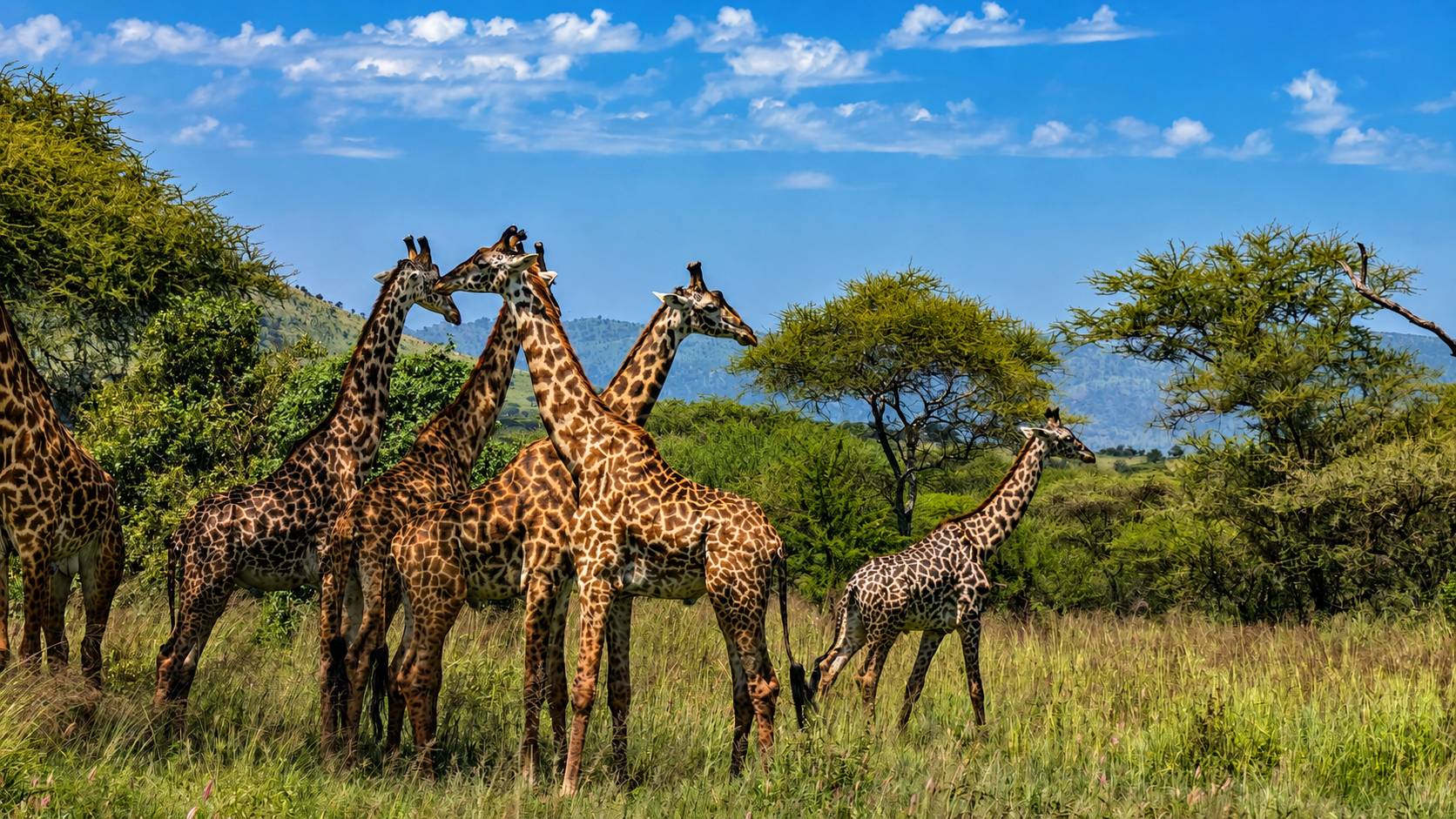

The Great Migration is not one event in one place. It is a continuous seasonal movement of wildebeest, zebra and other grazers across the Serengeti-Mara ecosystem, influenced by rainfall, water and grass. That is why serious migration planning begins with flexibility rather than a promise of a specific river crossing. For Todo Wild travelers, the most useful way to think about Great Migration Serengeti safari is to connect the information to a real itinerary. Your travel month, number of safari days, preferred accommodation and whether you want a private or shared vehicle will shape the final plan. Southern plains The southern ecosystem is associated with green-season grazing and the calving period. - Predator activity can be intense because many young animals are present. - Seasonal camp locations are often designed around this movement. The best approach is to keep expectations realistic and let the guide adapt to what nature is doing. A flexible plan usually produces a better safari than a rigid checklist of sightings. Western and central movement As conditions dry, herds spread and move through central and western areas. - River systems and fresh grazing influence their route. - The central Serengeti remains valuable even when the biggest migratory groups are elsewhere because resident wildlife is strong. For Todo Wild, this point should influence the route rather than remain only as background information. We use it to decide where to sleep, how early to leave and how many nights a destination deserves.
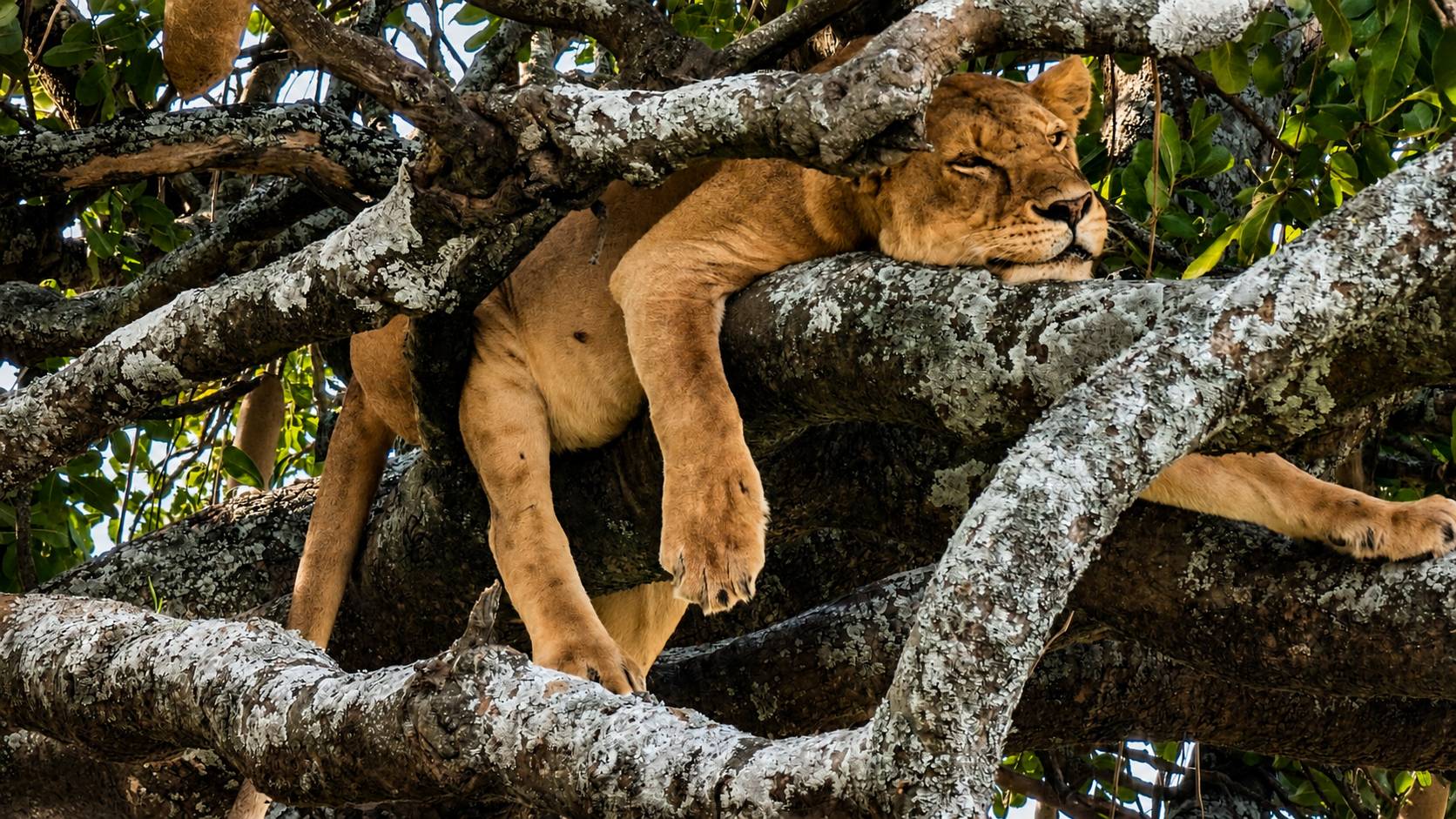
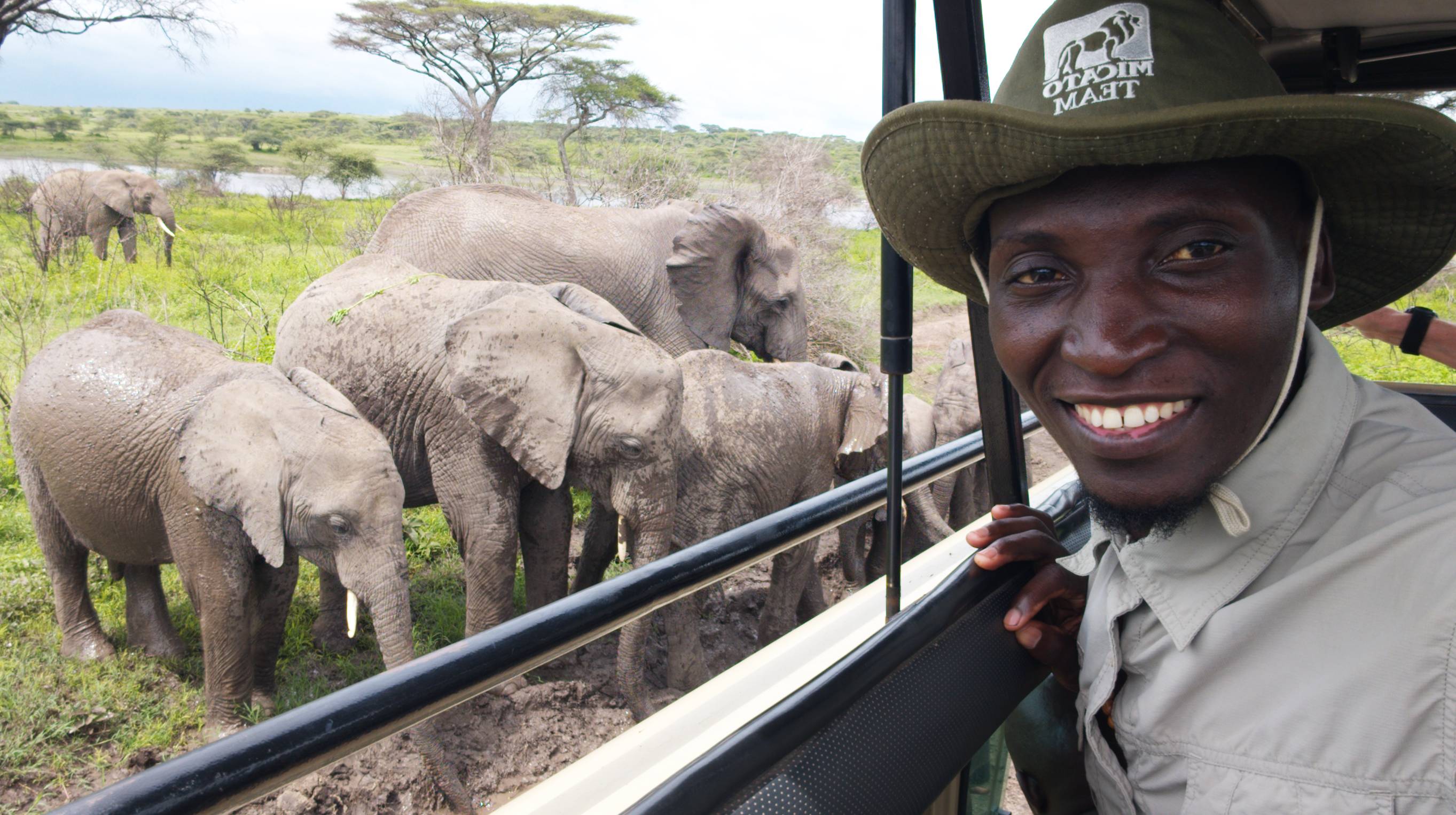
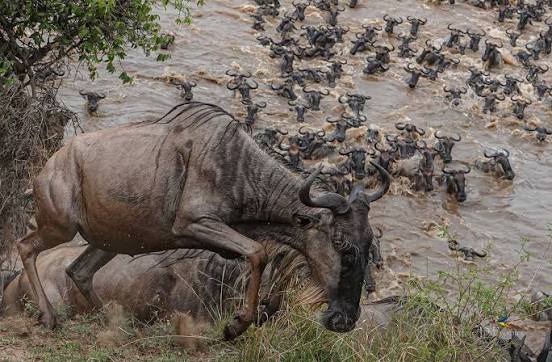
Northern Serengeti The northern sector becomes a major focus when herds approach the Mara River. - Crossings are unpredictable and can happen quickly after hours of waiting. - TANAPA rules are designed to reduce pressure on animals and vehicles must follow designated viewing procedures. A strong safari also leaves room for the unexpected. When a leopard settles in a tree, elephants gather near water or a predator begins hunting, you should have enough time to watch instead of immediately driving to the next scheduled stop. How to improve your chances Spend more than one night in the migration zone. - Use a flexible route and choose accommodation near the area where herds are expected. - Treat a river crossing as a bonus rather than the only measure of safari success. The best approach is to keep expectations realistic and let the guide adapt to what nature is doing. A flexible plan usually produces a better safari than a rigid checklist of sightings. Todo Wild Planning Advice When you contact Todo Wild, share your travel dates, number of adults and children, preferred comfort level and the experiences that matter most to you. We can then shape the route around the season instead of forcing every traveler into one fixed itinerary. Frequently Asked Questions What is the best month for the Great Migration? Different months are best for different phases. The right month depends on whether you prefer calving, moving herds, river areas or lower crowd levels. Can weather change the pattern? Yes. Rainfall and grass conditions can shift movement earlier, later or across a wider area than expected. Call to action: Planning a Tanzania safari around Great Migration Serengeti safari? Ask Todo Wild Tours & Safaris for a private itinerary and a date-specific quotation. Website: todowild.com